
No products in the cart.
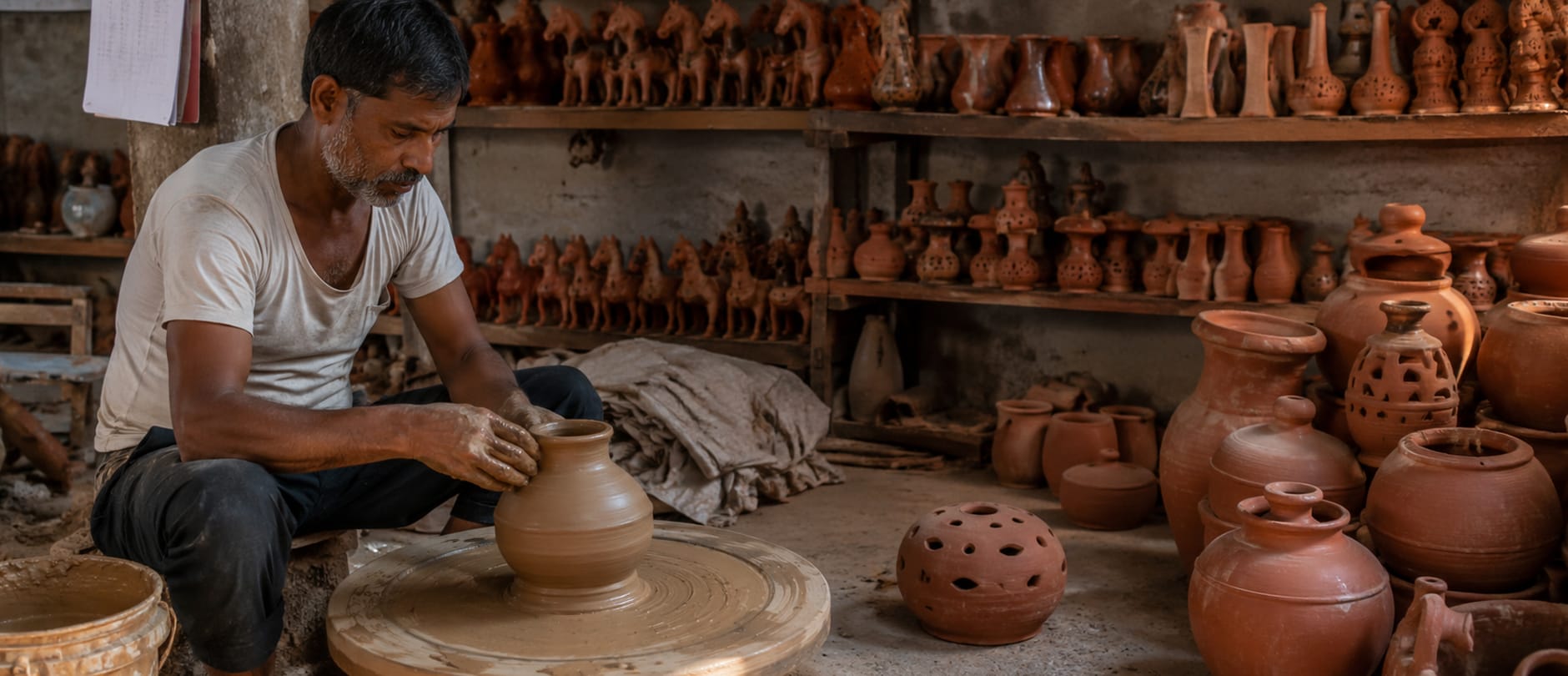
Interior styling today is no longer about filling empty walls — it is about creating spaces that feel warm, personal, and visually balanced. One of the most effective ways to achieve this is through layered décor. By thoughtfully combining textures, materials, and lighting elements, a room gains depth and character instead of looking flat or overly designed.
Among the many décor elements gaining popularity in modern and traditional interiors alike, Terracotta Wall Hangings stand out for their earthy appeal and handcrafted charm. Their natural texture and timeless aesthetics make them easy to pair with wood finishes, soft fabrics, and ambient lighting to create interiors that feel elegant yet grounded.
In this blog, we explore how layering these décor elements together can transform any living space into a visually rich and inviting environment.
Why Layered Décor Works
Layered décor creates dimension. Instead of relying on a single statement piece, it combines multiple materials and textures that complement each other. The result is a more organic and thoughtfully curated interior.
Terracotta, in particular, works beautifully in layered styling because of its:
- Warm earthy tones
- Handcrafted texture
- Artistic detailing
- Compatibility with both rustic and contemporary interiors
When paired correctly with wood, fabric, and lighting, terracotta décor can become the focal point of a room without overwhelming the space.
Pairing Terracotta with Wooden Elements
Wood and terracotta naturally complement one another because both originate from nature and share warm undertones. This combination creates a calm, grounded atmosphere suitable for homes, cafés, studios, and hospitality spaces.
Best Wooden Pairings
- Teak wood shelves
- Walnut wall panels
- Oak floating frames
- Rustic reclaimed wood accents
For example, placing terracotta wall art above a wooden console table instantly creates visual harmony. Similarly, handcrafted terracotta pieces mounted on wooden backdrops can add a premium artisanal feel to modern interiors.
Styling Tip
Choose wood finishes that are matte or textured instead of highly glossy surfaces. Natural grains enhance the handcrafted quality of terracotta décor.
Using Fabric to Add Softness and Contrast
Terracotta has a raw and earthy appearance. Fabrics help soften this visual texture and make the overall décor arrangement feel balanced.
Fabrics That Work Well
- Linen
- Cotton
- Jute
- Handwoven textiles
- Neutral-toned upholstery
Layering woven wall textiles or soft drapes near terracotta décor pieces creates a rich contrast between hard and soft textures.
For bohemian interiors, combining earthy pottery with patterned fabrics can create a cozy and artistic atmosphere. In minimalist homes, neutral fabrics paired with clay décor bring subtle warmth without making the space look busy.
The Role of Lighting in Highlighting Terracotta Décor
Lighting plays a major role in enhancing the beauty of terracotta surfaces. Since clay has natural texture and depth, warm lighting helps emphasize its handcrafted detailing and creates soft shadows that add character.
Recommended Lighting Options
- Warm LED wall lights
- Hanging pendant lamps
- Spotlights for accent walls
- Decorative lanterns
- Soft ambient floor lighting
Avoid overly harsh white lighting, as it can make natural clay surfaces appear dull. Warm lighting enhances the earthy richness and creates a welcoming ambiance.
Placement Idea
Install directional wall lighting above decorative terracotta pieces to create a gallery-like effect in living rooms or hallways.
Creating a Balanced Feature Wall
A well-designed feature wall combines multiple elements without making the space feel cluttered.
Ideal Layering Formula
- Start with a neutral wall color
- Add wooden shelves or frames
- Incorporate handcrafted terracotta accents
- Introduce soft fabrics nearby
- Complete the look with warm lighting
This layered approach helps each element stand out while still contributing to a cohesive overall design.
Blending Traditional Craftsmanship with Modern Interiors
One of the biggest advantages of terracotta décor is its versatility. It fits beautifully into:
- Contemporary apartments
- Rustic homes
- Scandinavian-inspired interiors
- Boho-themed spaces
- Boutique cafés and hotels
Modern interior design increasingly values handcrafted and sustainable décor choices. Terracotta aligns perfectly with this trend because it brings authenticity and artisanal beauty into otherwise modern spaces.
The key is balance. Instead of overcrowding the room with multiple decorative objects, select a few statement pieces and let natural materials work together harmoniously.
Common Mistakes to Avoid
Overloading the Space
Too many handcrafted décor elements can make interiors feel visually heavy. Keep enough negative space around decorative items.
Ignoring Color Balance
Terracotta works best with earthy palettes, muted tones, and natural textures. Extremely bright or neon shades may disrupt the visual harmony.
Using Harsh Lighting
Cool-toned lights can flatten the texture and warmth of clay décor. Always choose warm illumination wherever possible.
Mixing Too Many Materials
Stick to a consistent design language. Wood, clay, fabric, and warm metals usually work well together without overwhelming the space.
Final Thoughts
Layered interiors create homes that feel more lived-in, artistic, and emotionally warm. By combining natural materials thoughtfully, you can design spaces that are visually dynamic yet calming at the same time.
Whether used as statement pieces or subtle accents, Terracotta Wall Hangings add timeless character to interiors. When paired with wooden textures, soft fabrics, and warm lighting, they help create spaces that celebrate craftsmanship, comfort, and contemporary style together.
As modern décor trends continue moving toward authenticity and sustainability, earthy handcrafted elements remain a beautiful way to bring depth and personality into any environment.