No products in the cart.
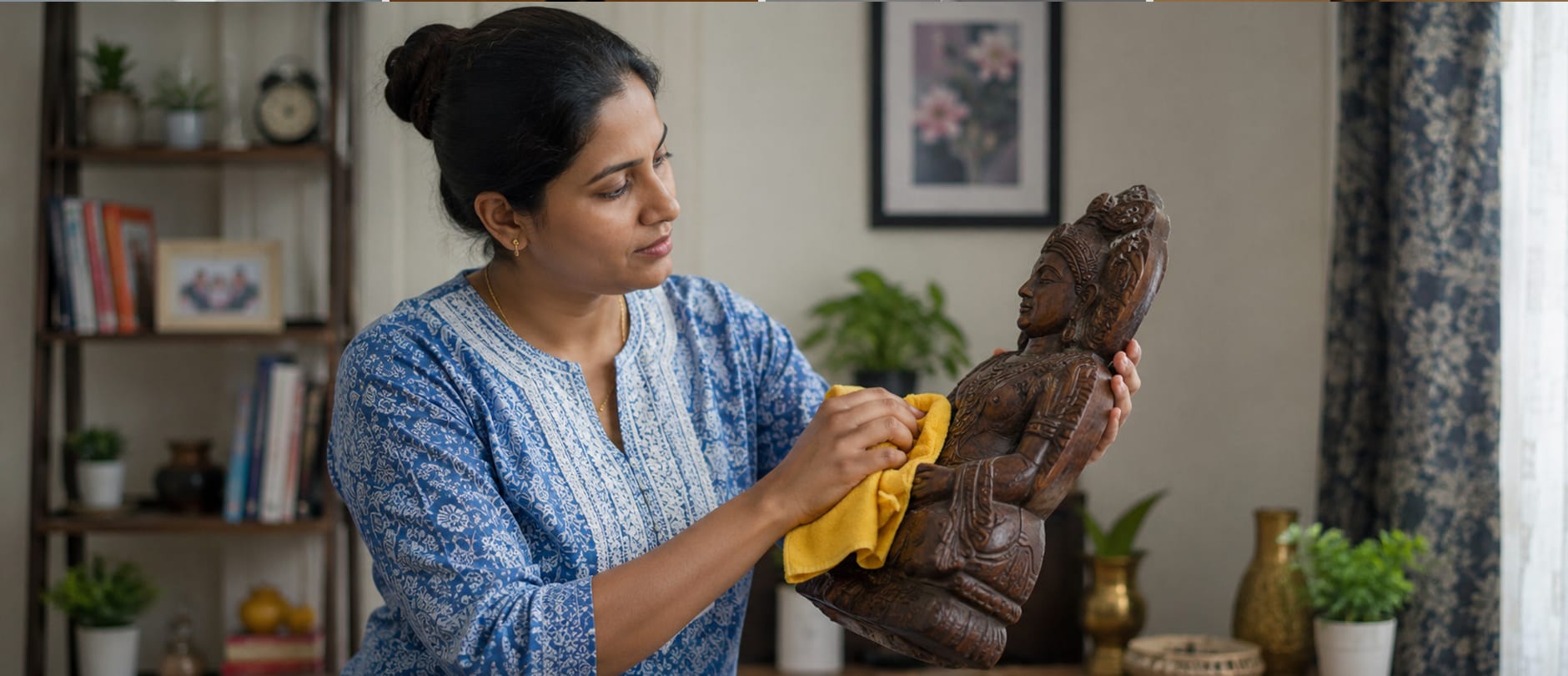
India’s handicraft heritage is more than a reflection of culture and creativity—it is the backbone of millions of artisan families across the country. From handwoven textiles and terracotta pottery to bamboo work and intricate embroidery, every craft carries generations of skill, tradition, and identity. But beyond aesthetics, preserving these crafts also means protecting livelihoods, sustaining rural economies, and ensuring that traditional knowledge continues to thrive in a rapidly modernizing world.
As markets evolve and mass production dominates consumer preferences, many artisans struggle to keep their work relevant and financially sustainable. This is why conversations around preserving Indian Traditional Handicraft are no longer just about culture; they are equally about economic survival and community empowerment.
The Human Side of Handicrafts
Behind every handcrafted product is a skilled artisan who has often spent years mastering the craft. In many regions of India, handicrafts are not hobbies or side professions—they are primary sources of income passed down through generations.
Families involved in weaving, wood carving, metalwork, painting, pottery, and tribal crafts depend heavily on consistent demand for their products. When traditional crafts lose visibility in the market, artisans face reduced income opportunities, forcing many to abandon their ancestral skills and seek unstable labor elsewhere.
Preserving handicrafts therefore directly supports employment, especially in rural and semi-urban areas where alternative income sources may be limited.
Handicrafts Support Rural Economies
One of the most significant contributions of the handicraft sector is its impact on local economies. Unlike large-scale industrial production concentrated in cities, handicraft production creates decentralized economic activity.
Small artisan clusters across India contribute to local employment by involving entire communities in different stages of production—designing, weaving, dyeing, packaging, and selling. This ecosystem creates sustainable opportunities for women, elderly artisans, and small-scale workers who may not have access to formal employment.
By encouraging consumers and businesses to invest in Indian traditional art and craft, we help strengthen these local economies and create long-term financial stability for artisan communities.
Preserving Cultural Identity Through Craftsmanship
Every Indian craft form tells a story. Whether it is Madhubani paintings from Bihar, Pattachitra art from Odisha, Channapatna toys from Karnataka, or Kashmiri embroidery, these art forms preserve regional histories, beliefs, and traditions.
When traditional crafts disappear, a part of cultural identity disappears with them.
Modern consumers today increasingly value authenticity, heritage, and sustainability. This shift creates an opportunity for traditional artisans to connect with newer audiences while maintaining the originality of their craft. Promoting handcrafted products not only preserves artistic traditions but also helps artisans gain recognition on national and global platforms.
The Threat of Mass Production
Machine-made alternatives have created intense competition for handmade products. While mass-produced goods are often cheaper and quicker to manufacture, they cannot replicate the individuality and craftsmanship of handmade items.
Unfortunately, price-sensitive markets often prioritize affordability over authenticity. As a result, artisans struggle to compete with factory-produced replicas that imitate traditional designs without supporting the communities behind them.
The challenge is not just preserving the visual style of crafts but protecting the people and skills that make authentic handcrafted products possible.
Why Sustainable Brands Matter
Businesses and brands have an important role to play in safeguarding artisan livelihoods. Ethical sourcing, fair pricing, and direct collaborations with artisan communities can significantly improve the financial stability of craftsmen.
Brands that actively promote Indian Traditional Handicraft contribute to a more sustainable ecosystem where artisans receive visibility, respect, and fair compensation for their work.
Consumers are also becoming more conscious about where products come from and how they are made. Supporting handmade products allows buyers to contribute to meaningful social impact while owning something unique and culturally valuable.
Empowering Women Through Handicrafts
In many artisan communities, women form the backbone of handicraft production. From embroidery and weaving to painting and stitching, handicrafts provide women with opportunities for financial independence while allowing them to work within their local communities.
The growth of handicraft businesses and online marketplaces has enabled many women artisans to gain economic empowerment and recognition for their skills. Preserving traditional crafts therefore also supports gender inclusion and community development.
The Role of Digital Platforms in Revival
Digital platforms and e-commerce have opened new doors for artisans who previously had limited market access. Social media, online marketplaces, and storytelling-driven branding now allow traditional crafts to reach consumers worldwide.
Today, customers are not just buying products—they are buying stories, heritage, and authenticity. Showcasing the people behind the craft helps build stronger emotional connections and increases appreciation for handmade work.
When businesses responsibly market Indian traditional art and craft, they help create awareness while expanding income opportunities for artisan communities.
Building a Future Where Craftsmanship Thrives
Preserving handicrafts is not about resisting modernity—it is about ensuring that tradition evolves without disappearing. Innovation, better market access, contemporary designs, and digital outreach can help artisans adapt while preserving the essence of their craft.
Supporting handmade products is a collective responsibility shared by businesses, consumers, policymakers, and creative industries. Every purchase of an authentic handcrafted item contributes to sustaining skills that have been refined over centuries.
Conclusion
Handicrafts are deeply connected to India’s cultural and economic fabric. Preserving them means preserving livelihoods, empowering communities, and protecting generations of artistic knowledge.
As appreciation for authenticity and sustainability continues to grow, there is immense potential to revive and strengthen the handicraft ecosystem. Supporting artisans and promoting traditional craftsmanship is not just about preserving history—it is about creating a more inclusive and sustainable future for the people who keep these traditions alive.