No products in the cart.

Ethnic Craft Products represent a direct connection to the traditions and history of communities across the world. For Karuhaat, this journey focuses on preserving and sharing the rich cultural artistry of India. This guide details the materials, techniques, and forms that define these authentic handmade items, offering a clear view of the artistry involved.
The Foundation—Materials and Techniques
Authentic ethnic crafts are defined by the raw materials they use and the ancient techniques employed by artisans. The core product categories available at Karuhaat highlight this blend of natural materials and inherited skill.
1. Dokra Art: The Lost Wax Method
Dokra is an ancient form of metal casting, practiced for over 4,000 years in India. It is a non-ferrous metal casting using the lost-wax technique.
- Process: The artisan first creates a figure using wax wires and resin. This wax model is then covered in a clay and sand mixture. Once dried, the clay mold is heated, melting the wax, which flows out. Molten brass or copper alloy is then poured into the hollow mold. After cooling, the clay is broken to reveal a single, unique brass figurine.
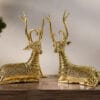
- Products: This technique results in distinctive tribal figurines, animal statues (like bulls and horses), and functional items such as trays and showpieces, characterized by their earthy texture and simple, powerful forms.
2. Terracotta Craft: Art from Baked Earth
Terracotta, meaning ‘baked earth,’ involves shaping natural clay and then firing it in a kiln. This craft has a history in the Indian subcontinent dating back to the Indus Valley Civilization.
- Process: Artisans collect specific types of clay, shape it by hand or on a wheel, and then bake it at high temperatures to achieve permanence and a recognizable reddish-brown hue.
- Products: Karuhaat features terracotta frescoes (depicting deities like Durga and Buddha), wall hangings, home decoration items, planters, and functional ware like tea sets. The appeal lies in the warm, natural tones and the durability of the fired clay.
3. Textile Craft: The Handloom Heritage
Indian textiles are a significant part of the country’s ethnic craft identity, focusing on natural fibers and hand-painting or weaving.
- Materials and Styles:
- Linen and Silk Sarees: Featuring traditional weaves like Tasar silk and Tissue Linen, these fabrics showcase fine craftsmanship.
- Hand-Painted Sarees: Styles like Kalamkari (a form of hand-painted or block-printed cotton textile) and Hand Painted Jamdani introduce pictorial narratives and complex patterns onto the cloth.
The Forms—Product Application
The utility of Ethnic Craft Products extends beyond mere decoration. They serve as functional art, bringing cultural narratives into daily life.
1. Functional Decor and Showpieces
Functional pieces are designed to be used while maintaining their artistic integrity.
- Trays and Serving Ware: Dokra art is shaped into trays, providing a serving piece with a traditional metallic texture.
- Leather Goods: Genuine leather is shaped into practical items such as sling bags and money banks, maintaining the durability and feel of handmade goods.
- Copper Wire and Scrap Metal Art: This category focuses on sustainability and creativity. Artisans rework scrap metal into artistic sculptures (like the Giraffe or Artistic Cycle) and form copper wires into intricate decorative shapes, demonstrating resourcefulness.
- Incense Holders: Terracotta is used to create incense stick holders, blending daily ritual with ancient clay work.
2. Figurines and Spiritual Art
Figurines often depict religious deities, tribal life, or mythological figures, serving a cultural or spiritual role in the home.
- Deity Idols: Terracotta and Dokra are frequently used to create idols of deities such as Maa Laxmi or Durga, used for worship or as a symbol of cultural identity.
- Tribal Representations: Figures of tribal couples or individuals engaged in daily tasks are common in Dokra, capturing the aesthetic of indigenous lifestyles.
3. Wall Art and Fresco
Wall-mounted pieces are visual storytellers, often crafted as unique alternatives to mass-produced prints.
- Terracotta Frescoes: These relief panels, featuring figures like Rabindranath Tagore or historical scenes, provide textured, three-dimensional artwork.
- Wall Hangings: Crafted from metal, terracotta, or wood, these pieces anchor a space with unique artistic weight.
The Karuhaat Commitment
Karuhaat’s role is to act as a bridge, ensuring that the work of dedicated artisans reaches a wider audience. This commitment involves more than simple commerce; it is a focus on preservation and ethical practice.
- Preservation of Skill: By focusing on traditional techniques like Dokra’s lost-wax casting and Terracotta firing, Karuhaat helps sustain skills that have been passed down through generations.
- Authenticity: The products sold are genuinely handmade, ensuring that each piece carries the minor variations and distinct character of human craftsmanship.
- Ethical Sourcing: Supporting artisans directly encourages economic independence within craft communities and promotes the continuation of these art forms.
Choosing these pieces means acquiring more than a decorative item; it is a choice to own a piece of cultural history and support the hands that keep these traditions alive. The utility and artistic value of these unique, handmade products ensure they remain relevant in contemporary settings. Contact us for more information.